
Front Garden Ideas for Kerb Appeal
How to green it instead of paving it, plant for kerb appeal all year, and still fit the car and the bins. No chemicals, ever.
How to green it instead of paving it, plant for kerb appeal all year, and still fit the car and the bins. No chemicals, ever.
The front garden is the one part of your garden everyone sees and you rarely sit in. It is the first thing visitors and buyers judge the house on, and across South East London it is also the part most often lost entirely to paving. A green, well-planted front lifts the whole street and the way the house feels to come home to.
This guide is how we actually approach front gardens across South East London: keeping it green even with parking, planting the awkward dry shady strips, building kerb appeal that works in January as well as June, and hiding the bins. No chemicals, and nothing that needs the front dug up and concreted.
Every front garden decision comes down to one thing: how much you keep green. The Royal Horticultural Society, through its Greening Grey Britain work, is clear that planted front gardens do real good. The trade-offs are worth understanding before you touch it:
Every idea below is about keeping the front as green as it can be while still working for real life. The honest part: we are planting-led. We plant and maintain front gardens, we do not lay driveways. We will always tell you which part is planting and which is a paving job.
The most common front garden mistake in South East London is paving the entire thing. It feels like the low maintenance, practical choice. In reality it dates the house, makes the street hotter and greyer, sheds rainwater into already overloaded drains, and is expensive to undo if you change your mind.
A fully paved front is also a missed opportunity. We never use chemicals, and even a metre-wide planted strip along a paved drive does real work: it soaks up rain, softens the look, feeds pollinators and instantly reads as a cared-for home. Grey says nobody is here; green says somebody loves this place.
The good news is that the green option is almost always the better-looking and cheaper one. Planting a front garden well is a design decision, not a building project.
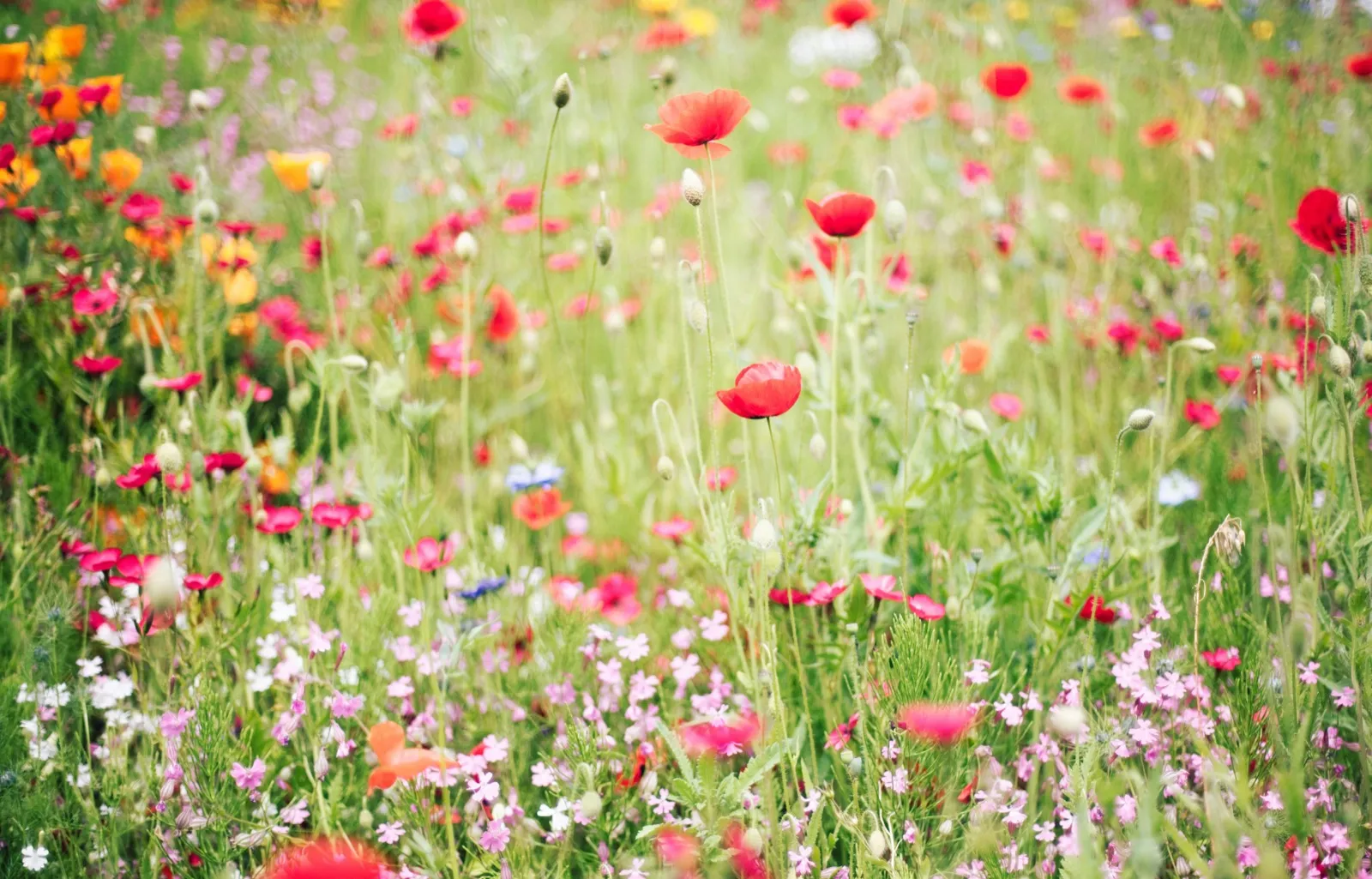
A front garden is small, on show every day, and transforms fast with the right planting and a regular tidy. Our garden maintenance is a fixed £249 for three hours, booked online before any visit, no quotes and no survey. A few well-timed visits a year keeps a planted front looking sharp from the street, and you never lift a tool.
Before any planting, your gardener Josh messages you on WhatsApp to understand whether you need to park, how the front is approached, where the bins live, and how much sun it gets. A front garden has competing jobs to balance, so the plan matters more than the plant list.
From there it is a planting scheme designed around the clay, the light and the parking, with structure that holds up all year. We are planting-led and never use chemicals; we plant and maintain the front, but we do not lay the driveway itself. Here are the twelve front garden ideas we come back to across South East London.
Each of these is something we use on real front gardens across South East London. Apply them yourself, or have us plant and keep it.
The default to total paving is almost always a mistake. The RHS Greening Grey Britain research is blunt about the cost: more flooding, more heat, less wildlife and worse kerb appeal. Even keeping a third of the front planted changes how the whole house reads from the street.
You can have the car and a green front. The RHS specifically recommends paving just the two strips the wheels run on and planting or gravelling the rest, with tough low plants like creeping thyme between. From the pavement it reads as a garden, not a car park.
Where you do need hard surface, the RHS advises permeable options that let rain soak through rather than run off. On South East London clay, where drains are already stretched, this is the difference between your front contributing to local flooding or quietly soaking the rain up.
The RHS suggests swapping hard boundaries for hedges, which shelter and feed birds and insects. A low, neat hedge along the front gives structure and privacy, softens the street, and looks far more welcoming than a bare brick or rendered wall.
The front of the house itself is growing space. The RHS recommends climbers and wall shrubs, even green-wall systems, noting they also insulate the house, warmer in winter and cooler in summer. A climber framing the door does enormous work for almost no ground space.
The base of the front wall, under the bay window, beside the bin store: the RHS calls these easy places to squeeze in plants, but warns they are dry and shady so need tough plants chosen for it. Filled rather than left bare, these strips quietly green the whole front.
Unlike a back garden, the front is judged every single day by everyone who passes. It needs to look intentional in February, not just July. A backbone of evergreen shrubs and structural planting keeps the kerb appeal constant, with seasonal colour layered on top.
A front garden is viewed quickly, in passing, from a few metres away. A calm, repeated scheme of a few plants reads cleanly from the pavement, where a busy one-of-everything jumble just looks messy at distance. Simple and repeated always wins out front.
The single fastest kerb appeal upgrade. A matched pair of generous pots either side of the door instantly frames the entrance and signals a cared-for home. Big pots also hold moisture far better than small ones, so they are easier to keep looking good.
Lead the eye from the gate to the door with one clear focal point: a specimen shrub, a small tree in a large pot, a strong plant at the turn of the path. It makes even a tiny front feel considered and guides visitors in.
Wheelie bins are the thing that quietly wrecks front garden kerb appeal. A store helps, but planting an evergreen shrub or short hedge in front of it hides it far more naturally and turns dead utility space into part of the garden.
A front garden has to look good with very little input, because most people will not fuss over it. Tough, structural, repeated planting plus a few well-timed maintenance visits a year keeps it sharp from the street without it ever becoming a chore.
The classic SE London front is a small Victorian or Edwardian terrace forecourt: a few square metres between the bay window and the pavement, often with a low original wall and a tiled path. These are perfect for a planted boundary, climbers up the front, and a tight scheme that suits the period of the house.
The pressure point is parking. Many of these fronts have been wholly paved for a car, which is exactly the Greening Grey Britain problem on heavy clay that drains slowly. The wheel-track and permeable approaches above are the realistic answer here: keep the car, keep the green.
As everywhere in South East London the soil is clay, often dry and shaded right against the house wall. We plant for those exact spots rather than fighting them, so the front looks established quickly.
Unlike a big back garden project, a front garden is small enough that the change is almost immediate. A morning of planting along a boundary, a climber on the wall and a pair of pots by the door visibly lifts the house the same day, then improves as it grows in.
It is also the highest-visibility square metres you own. Estate agents and buyers form an opinion of the whole house from the front before they reach the door, and the people who live there get the wellbeing lift the RHS research describes every time they come home. Few garden jobs return as much for as little.
The only real mistake is treating it as an afterthought and defaulting to paving because it seems easiest. A simple planted scheme is barely more work and transforms how the home reads.
A lot of this is doable yourself, especially the pots and a simple boundary planting. The harder part is choosing plants that genuinely cope with a dry, shaded, often clay strip right against the house and still look good all year, plus keeping it sharp from the street without it becoming a job you resent.
If you would rather it was planted properly and kept that way, that is what we do. Garden maintenance is a fixed £249 for three hours, booked online with no quotes, the same named gardener each time, no chemicals, and your garden left tidier than we found it.
We plant up front gardens and keep them looking sharp from the street. A fixed price, the same named gardener every visit, no chemicals, and a handwritten plan left each time so the front keeps improving between visits.
Try not to pave all of it. A fully concreted front garden adds to local flooding, bakes in summer, gives nothing to wildlife and, for kerb appeal, looks like every other paved-over front. The RHS recommends paving only the wheel tracks and planting the rest, which still gives you parking but keeps the garden green and the house looking cared for.
A simple, repeated scheme of tough evergreen shrubs and ground cover, with a permeable surface where you need to walk or park, and a pair of pots by the door. It reads well from the street all year, suppresses its own weeds, and only needs a few tidy-ups a year, especially if it is on a regular maintenance rhythm.
Front gardens are often dry and shady, especially at the base of walls, under bay windows and beside bin stores. The RHS advises choosing tough plants that cope with those conditions rather than fighting them. We pick hardy, structural, shade-tolerant plants for the spot rather than from a generic list.
Greenery genuinely lifts how a house presents and, the RHS notes, even reduces stress for the people who live there. The biggest wins are a soft planted boundary instead of a bare wall, evergreen structure that looks good in every month, a tight repeated palette that reads from the pavement, and a strong pair of pots framing the front door.
A bin store helps, but the bins still look like bins. Screening them with planting, an evergreen shrub or a small hedge in front of or around the store, hides them far more naturally and adds to the garden rather than just containing the eyesore.
We are planting-led, so we plant up and maintain front gardens rather than laying driveways. Garden maintenance is a fixed £249 for a three-hour visit, booked online with no quotes and no travel charges anywhere in South East London.
Autumn and spring are best, when roots establish before summer. You can plan it any time, so the sensible approach is to get the planting agreed now and put it in during the right window so it looks established by next season.
A front garden that looks after itself comes down to the right planting, so read our low maintenance garden ideas next. When you would like it planted and kept sharp from the street, see our garden maintenance service.
Book online in 60 seconds. Instant confirmation, fixed pricing, no quotes needed.