
How to Get Rid of Weeds in the Garden
Why weeds take over and how to get rid of them for good, the RHS-backed way, with no weedkiller. The method we use across South East London.
Why weeds take over and how to get rid of them for good, the RHS-backed way, with no weedkiller. The method we use across South East London.
Weeds in the garden are relentless. Turn your back for a few weeks and the borders are full again. It is the single most common thing people fall behind on, and almost every overgrown garden we are called to across South East London started with weeds simply getting away from someone. The good news is that getting rid of weeds in the garden is completely doable, and you do not need a drop of weedkiller to do it.
This guide covers why weeds take over, the difference between the ones you can pull and the ones you have to dig out, and the exact no-chemical method we use to clear weeds and keep them down. It is RHS-backed, and it is the same approach we run on gardens across South East London every week.
A weed is just a plant growing where you do not want it. They win for simple reasons, and understanding them is the difference between clearing weeds once and clearing them for good. The factors that matter:
The Royal Horticultural Society is clear that most weeds can be managed without any weedkiller, using methods that support biodiversity. That is exactly how we work, and the rest of this guide is that method.
Reaching for a spray feels like the easy answer. It is not. Weedkiller does nothing about the bare soil and seed bank that caused the problem, so the weeds return, and you are back to spraying again and again.
The bigger issue is that weedkiller is indiscriminate. It does not stop at the weed. We have seen a serious decline in insects, and in the small birds and other wildlife that depend on them, and the steady proliferation of weed killers, moss killers and other garden chemicals is very likely part of that story. Your garden is a small piece of habitat. We are not willing to poison it, so we never use chemicals, on any garden, ever.
The RHS takes the same view and does not recommend weedkillers, confirming most weeds can be controlled without them. The lasting answer is not a chemical. It is to remove the weeds properly and stop the soil being bare.
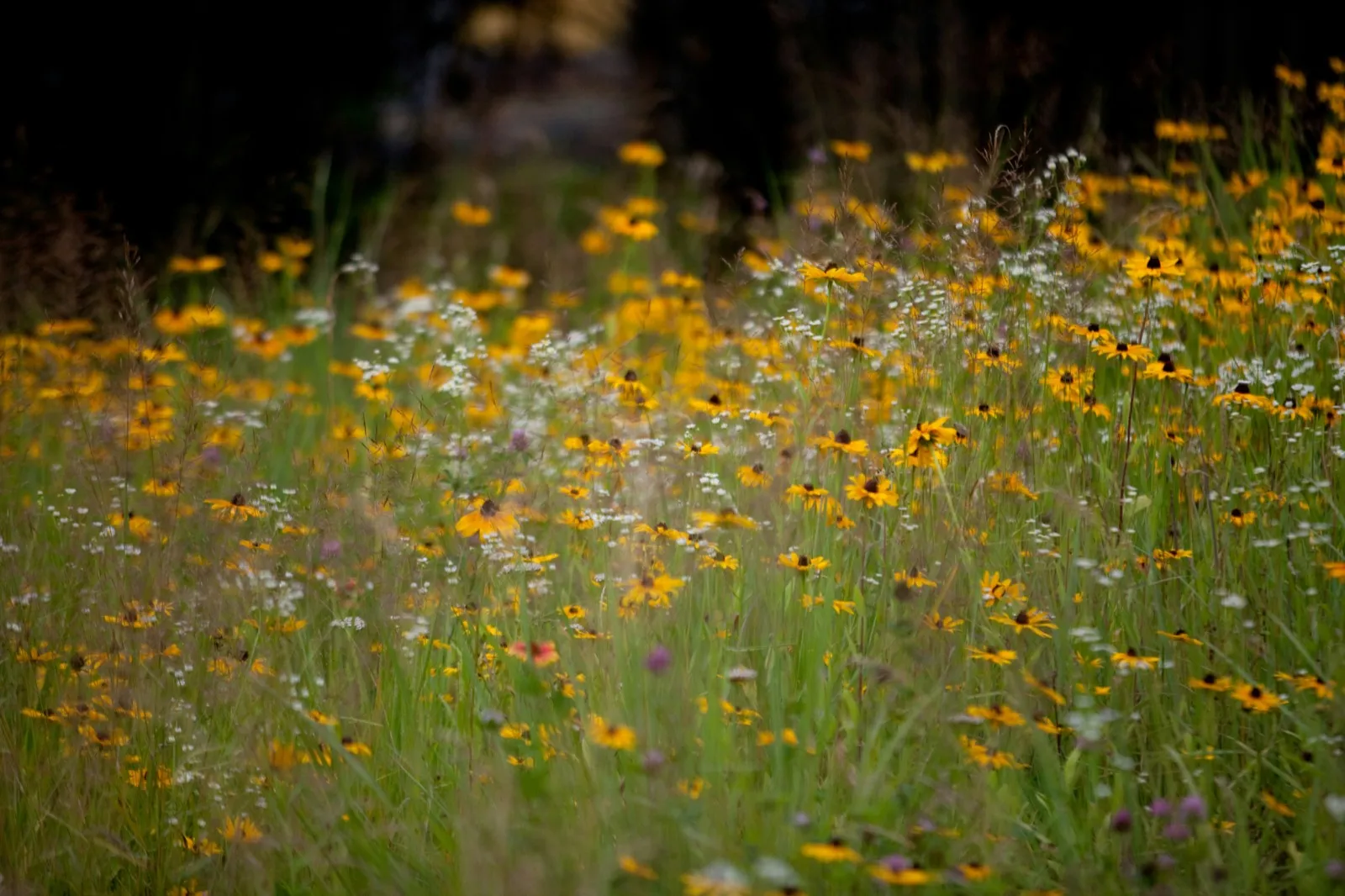
The mistake almost everyone makes is treating weeding as a one-off battle. Clear it all in a weekend, then ignore it, and it is back by mid-summer. Weeding is won with short, regular passes that never let weeds seed, plus covering the soil so it cannot grow new ones. Knowing which weeds to dig versus hoe, and keeping on top of it for you, is exactly what a regular maintenance visit is for. We do this across South East London every week.
The RHS treats this as the key distinction, and it changes everything about how you deal with a weed. Get it wrong and you will be fighting the same plant forever.
Annual weeds complete their life in one season. They are shallow rooted and lift easily by hand or hoe, but they survive by producing enormous amounts of seed. The whole game with annuals is removing them before they flower and seed. One plant left to seed is the difference between a tidy bed and years of weeding.
Perennial weeds such as bindweed, dandelion, ground elder and dock come back every year from deep, persistent roots. Pulling the top off does nothing, they simply regrow. These have to be forked out with the whole rootball, or weakened by repeated cutting over time. The RHS notes that removing the roots gives good control but is not always possible in one go, which is why persistence matters more than brute force.
This is the exact no-chemical process we use to clear weeds and keep them from coming back. You can do it yourself, or book us to keep on top of it for you.
Before you pull anything, work out what you are dealing with. Shallow, soft, fast-flowering weeds are usually annuals you can pull. Tough, deep-rooted, returning weeds are perennials you will need to dig out. This decides your approach for every weed in the garden.
Run a hoe through your beds to slice young weeds off just below the soil surface. The RHS is specific about this: do it on a warm, dry or windy day so the cut roots dry out and die rather than re-rooting. A few minutes hoeing kills hundreds of seedlings before they ever become a problem.
Pull annual weeds by hand while the soil is moist so the roots come with them. For perennials, push a hand fork in to its full depth and lever the entire rootball out. Any piece of root left behind on bindweed or ground elder will regrow, so take your time with these.
This is the single most important habit. If you do nothing else, take the heads off weeds before they flower. One season of seeding creates years of weeding, so breaking that cycle is what actually reduces the work over time.
Bare soil grows weeds, so do not leave it. Cover cleared ground with cardboard and a thick 10 to 20cm layer of organic mulch like bark or wood chip. It blocks the light weed seeds need to germinate, feeds the soil, and holds moisture. Keep mulch off plant stems and crowns so they do not rot.
The best long-term defence is to leave weeds nowhere to go. Mat-forming and ground cover planting fills the gaps so weeds cannot establish, and it looks far better than bare mulch while supporting wildlife at the same time.
Weeding is never one and done. A short, regular pass over the garden, little and often, keeps weeds from ever taking hold and is a fraction of the work of clearing a jungle later. This is the part most people cannot keep up with, and it is exactly what a regular maintenance visit covers.
There is no single weeding season, because weeds grow whenever it is warm and wet. The principle that matters is little and often, all through the growing season, rather than one exhausting blitz.
Early spring is the most valuable time to get ahead, clearing weeds before they flower and mulching beds before the season starts. Through spring and summer a quick pass every couple of weeks keeps things effortless. Autumn is the time to cover bare soil with cardboard and mulch so winter weeds cannot get a foothold.
As for how often, the honest answer is whatever stops weeds setting seed. For most gardens that is a short tidy every two to three weeks in the growing season. Keep that rhythm and weeding stops being a job at all.
It is demoralising to clear a bed and watch it fill up again within weeks. It does not mean you did anything wrong. It means the soil still has a seed bank, and bare ground is an open invitation.
Here is the part nobody explains. The first proper clearance is always the hardest, because years of seed and root are in there. Every clearance after that is easier, as long as you do two things: never let a weed seed, and never leave soil bare. Mulch and ground cover are not optional extras, they are the actual fix. Pulling weeds without covering the soil is bailing out a boat without finding the hole.
Do those two things and the weed pressure genuinely drops year on year. The garden goes from a constant battle to a quick, satisfying tidy. That is the whole goal, and it is entirely achievable without a single chemical.
You can absolutely do this yourself. It is honest, physical work rather than a skill, and the steps above are the whole method. The hard part is not technique, it is consistency. Almost everyone can clear a garden once. Far fewer can keep doing it every fortnight through a busy summer, which is precisely how gardens get overgrown in the first place.
That is what a regular maintenance visit solves. We keep on top of the weeding for you, dig out the perennials properly, mulch the beds, and make sure nothing ever seeds. You know the price before you book, there are no quotes or site visits, and your garden is guaranteed to be tidier than when we found it.
Weeding is part of our garden maintenance. One price, the same named gardener every visit, and never a chemical in sight. Your gardener Josh keeps the weeds down, digs out the stubborn perennials, and mulches the beds so they stay clear.
Hoe off seedlings on a warm dry day, hand pull annual weeds, and fork out perennial roots to their full depth. Then mulch and plant ground cover so bare soil does not grow new weeds. The RHS confirms most weeds can be managed this way without any weedkiller. We never use chemicals.
Weeds colonise bare soil and gaps faster than anything else, and a single plant left to seed produces thousands more. Most heavily weeded gardens simply got behind. Once you clear them and cover the soil, the pressure drops dramatically.
Annual weeds are shallow rooted, easy to pull, but set huge amounts of seed, so remove them before they flower. Perennial weeds regrow each year from deep roots and need forking out completely or repeated cutting over time. The RHS treats this as the key distinction.
Yes. A thick 10 to 20cm layer of organic mulch, ideally over cardboard, blocks the light weed seeds need to germinate. Keep it clear of plant stems and crowns so they do not rot. It also feeds the soil and holds moisture.
Weedkiller is indiscriminate and the RHS does not recommend it, noting most weeds can be controlled without it using methods that support biodiversity. Garden chemicals are part of the wider decline in insects and the birds that feed on them. We never use chemicals on any garden.
Some always will, because seed sits dormant in all soil. The trick is not a one-off blitz but staying on top of it with short regular passes and keeping the soil covered, so weeds never get established again.
Weeding is part of our garden maintenance, which is £249 for a three hour visit. Regular visits keep weeds under control year round, with no travel charges anywhere in South East London.
If your garden has gone well past weeds, see our guide on how to get rid of moss in a lawn. To have the weeding kept on top of for you, visit our garden maintenance service page.
Book online in 60 seconds. Instant confirmation, transparent pricing, no quotes needed.