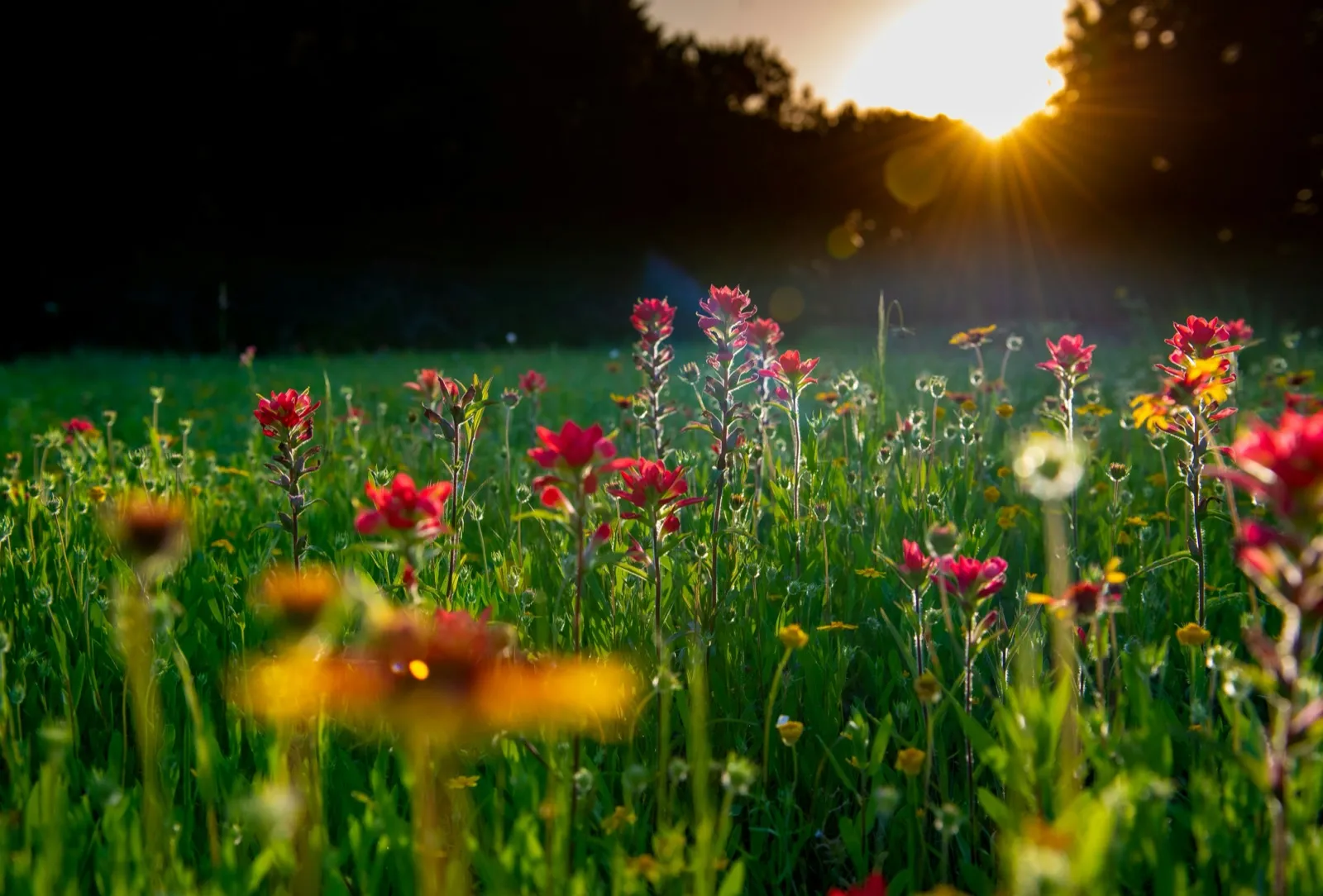
Wildlife Garden Design Ideas
Twelve design ideas for a wildlife garden that still looks like a garden. Ponds, hedges, log piles and the planting we use. No chemicals.
Twelve design ideas for a wildlife garden that still looks like a garden. Ponds, hedges, log piles and the planting we use. No chemicals.
A wildlife garden is not a corner of the garden left to do its own thing. It is a properly designed garden where every choice, the pond, the hedge, the planting, the lawn, the bare soil patch, supports something living. UK wildlife is in long-term decline and the gardens around them have done a lot of the damage: paved-over front gardens, sprayed lawns, double-flowered bedding that produces no nectar, fences instead of hedges. The fix is genuinely fixable, and it does not mean choosing between a beautiful garden and a wildlife one.
This guide is twelve wildlife garden design ideas we use on real South East London gardens. They are RHS-aligned, chemical-free, and shaped so the garden still reads as designed. You can apply them yourself, or have us design and plant the whole thing.
Before you reach for a plant list, set these five right. The RHS guidance on wildlife-friendly garden design from Senior Wildlife Specialist Helen Bostock and designer Jo Thompson is built around a similar set of decisions. Almost every wildlife garden that disappoints fails on one of these:
Get those five right and the design choices below all fit naturally. Helen Bostock puts the rest of it well: "beautiful but wild does not necessarily mean untidy, native-only planting, or hands-off". A wildlife garden is still a designed garden. Everything that follows is a practical way to apply one of those five principles.
The most common wildlife garden mistake is treating it as the opposite of a designed garden. The brief becomes "let it go", the borders are left to whoever turns up, the lawn grows out to knee height, and the result is a patch that does feed insects but that the neighbours assume has been abandoned. Within a year or two the owner gets fed up and slabs it.
A successful wildlife garden is the opposite. It is more designed, not less. Repeated planting, clean mown paths, sharp edges where it matters and a clear focal point all signal that someone is in charge. Inside that frame you let the meadow run, the seed heads stand and the log pile do its thing. The frame is what stops it looking like surrender.
The good news, and the reason we love wildlife gardens, is that getting this right means you can keep almost everything you already have. Most of the gardens we transform start with a fence, a lawn, a bit of border, and an instinct to spray weeds. Drop the chemicals, swap a few plants for single-flowered nectar workhorses, add water, leave one corner alone, and the garden you already own becomes wildlife habitat almost overnight.
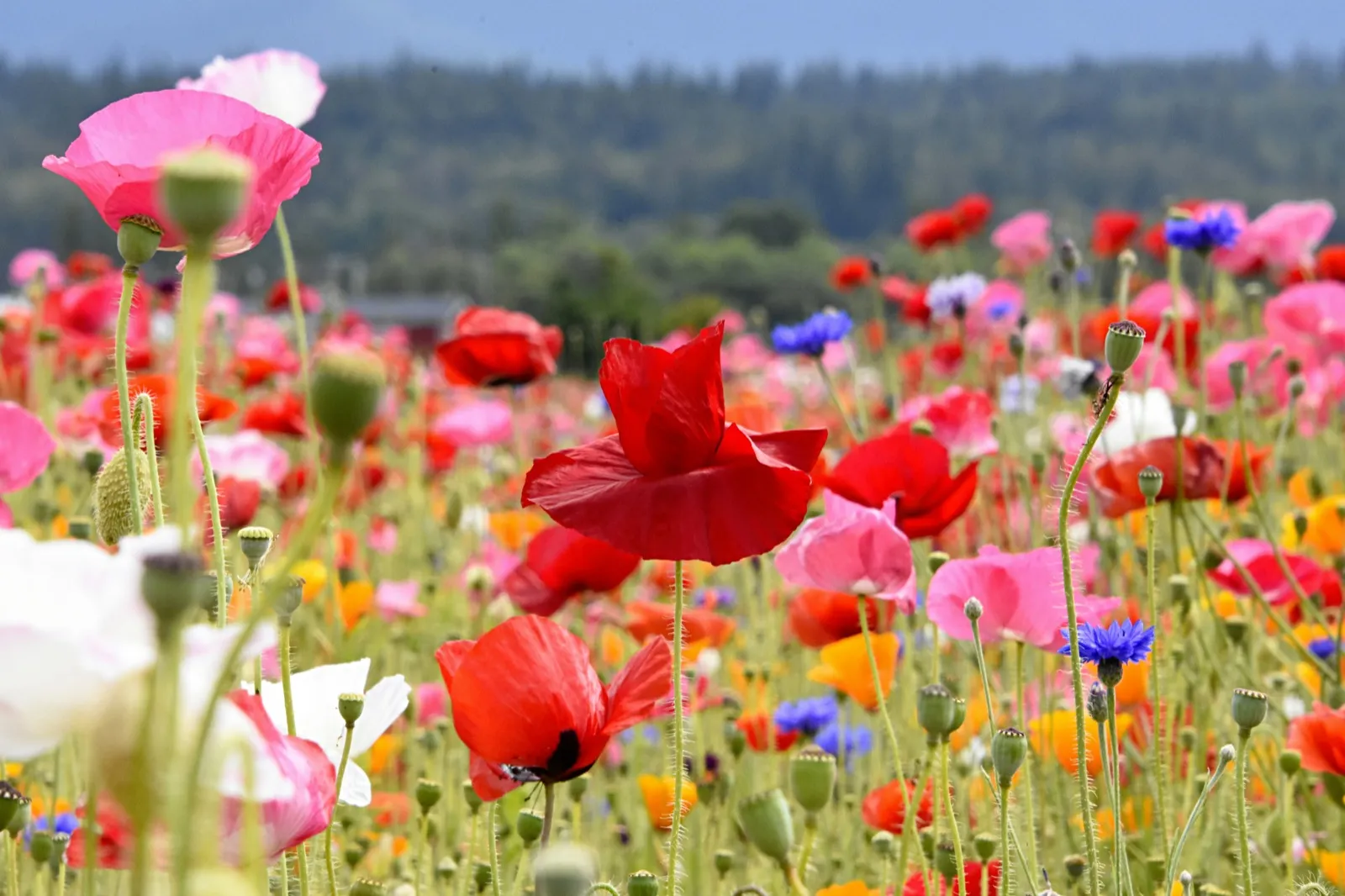
Working with nature is the whole basis of Urban Bloom Gardening, not an add-on. Every garden we touch gets a wildlife-friendly approach as standard: log piles from cleared material, wild corners, no chemicals. The standalone wildlife garden design service goes further, with wildlife ponds, meadow conversions and full habitat planting. Simple wildlife additions fit into a £249 3-hour maintenance visit, and design projects are priced per garden because no two wildlife projects are the same. Send us a few photos and we will tell you honestly what yours needs.
Before any planting, your gardener Josh messages you on WhatsApp to understand how the garden actually works: where it is sunny and shady, where you can hear birds already, whether there is a pond or could be one, what hedges and shrubs are worth keeping, and whether you have children or pets. A wildlife garden has to be planned around what is already living there as much as what you want to bring in.
From there it is a planting and habitat plan built around your light, the heavy London clay and the existing structure. We are planting-led: planting design, borders, wildlife planting, meadow conversion, log piles and pond install where there is room. We do not lay decking, paving or fencing. If your garden genuinely needs hard landscaping we will say so honestly rather than sell you planting that will not fix it.
Here are the twelve ideas we come back to again and again on real South East London wildlife gardens.
Each one is something we use on real gardens, applied in the order they tend to matter most. You can apply them yourself, or have us design and plant the whole thing.
The single biggest change. The RHS calls a pond the easiest way to add wildlife value to a garden, and they mean it: a large pot, a half-barrel, even an upturned dustbin lid sunk into the soil is enough to bring in amphibians, dragonflies and birds within weeks. A proper wildlife pond with a sloped beach edge, marginal planting and no fish is what we install where there is space.
A garden of just lawn and a fence has effectively one habitat layer. A wildlife garden has six or seven: a small patch of bare sunny soil for solitary bees, low ground cover, mid-border perennials, taller shrubs, climbers up the walls, and a small tree or two for canopy. Each layer carries different species, so the more layers, the more wildlife per square metre.
One of the cleanest design tricks in a wildlife garden. Let part of the lawn grow out into a small meadow, then mow tidy paths through it. The paths read as designed, the meadow reads as deliberate, and you keep the use of the garden while gaining real habitat. The RHS specifically recommends leaving some lawn areas unmown for part or all of the year.
A fence is a wall. A native hedge is a thirty-metre-long ecosystem: hawthorn, blackthorn, field maple, hazel, dog rose and elder give blossom, berries, nesting sites and shelter all in one. Even a section of native hedge along one boundary is a step change. We plant them as bare-root whips in autumn and they establish quickly on SE London clay.
A pile of logs in a quiet, shady corner is one of the highest-value habitat features per square metre. It feeds beetles, solitary bees and amphibians, and as the wood breaks down it returns to the soil. We build log piles into almost every maintenance visit because the raw material comes out of the garden anyway when shrubs and trees are pruned.
Most "wildlife gardens" are really June and July gardens. Real ones flower from February to October. Hellebores and crocus in late winter, pulmonaria and aquilegia in spring, lavender, marjoram and Verbena bonariensis through summer, sedum and asters in autumn, and ivy as the very last meal in October. For the full approach, see our guide on designing a pollinator garden.
Non-negotiable. Pesticides, weed killers and slug pellets in a wildlife garden are a contradiction, and the RHS specifically recommends managing your garden without synthetic chemicals. We never use chemicals, on any garden, ever. Dense planting handles most weed pressure, and a wildlife garden's own food chain handles most pest pressure, slugs feed the frogs, aphids feed the ladybirds and birds.
The instinct to cut everything back in October strips habitat. Seed heads feed birds through winter, hollow stems shelter overwintering insects, and standing skeletons of grasses and perennials look beautiful in frost and low light. Tidy paths and the edges that matter, leave the back of the borders alone until late February.
Vertical space is free habitat. Star jasmine, honeysuckle, clematis and single-flowered climbing roses turn flat boundaries into walls of nectar. Ivy in particular is undervalued: its October flowers are the last meal of the year for many pollinators, the dense growth shelters overwintering insects, and birds nest in it. Where you have to keep a fence, dress it with climbers.
You do not need to choose between tidy and wild. Keep most of the garden considered, then let one corner go a little loose with longer growth, a log pile, a thistle or two, and self-seeders. It is the corner the wildlife loves most, it needs almost no work, and against a tended garden it reads as intentional rather than neglected.
A garden in SE London hosts a different set of resident species than one in the countryside. You probably get robins, blue tits, foxes, occasional hedgehogs in some streets, bumblebees and a small army of solitary bees. Design for those: berry-bearing shrubs, dense hedging for nesting, a shallow water source, bare soil patches, and no chemicals. Hedgehog highways under fences cost nothing and connect your garden to the next.
A wildlife garden is not a no-maintenance garden, it is a differently-maintained one. Tidy paths, lawn edges and the few sightlines that matter to you. Leave seed heads, log piles, the wild corner and the back of the border alone. Battery-powered tools (which we always use) are quieter and less disruptive than petrol. The aim is gentle intervention, the way designer Jo Thompson describes her own approach.
SE London is unusually good wildlife garden country. The mix of mature street trees, railway embankments, allotments, common land at Peckham Rye and Dulwich Park, and the river corridor at Greenwich and Deptford means there is a constant flow of birds and insects looking for the right garden to land in. Every garden in Brockley, Forest Hill, Camberwell and Catford plugs into that corridor whether the owner knows it or not.
The other local truth is heavy clay everywhere, often partly shaded by neighbouring buildings, mature trees and close-set fences. Clay holds moisture, which suits the meaty perennials wildlife loves: salvias, geraniums, knautia, sedum, alliums and Verbena bonariensis all thrive once established. The shaded edges are right for pulmonaria, foxgloves, ferns and bugle, which feed early bumblebees and shelter ground-dwellers. The sunny walls are climber territory for honeysuckle, jasmine and ivy.
Planting is strongest in autumn and spring, when roots establish before summer demands. The pond and habitat work can be done at any time. The sensible approach is to plan a wildlife garden now and put the planting in during the right window.
People assume turning their garden into a wildlife garden means clearing what is there and starting again. It almost never does. Most of the wildlife gardens we build started as ordinary gardens with an instinct to spray weeds and slab the difficult bits. Drop the chemicals, swap a few plants, add water, leave a corner, and you are already most of the way there.
This is where our plant rescue approach matters most. Before anything is cleared we walk the garden and identify what is worth keeping, because in wildlife terms a mature hawthorn or an established honeysuckle is worth far more than a bare bed and three years of waiting. Clearing blindly is the expensive mistake.
So the honest expectation is this: a typical SE London garden becomes meaningful wildlife habitat in one season once the chemicals stop and the planting is shifted toward nectar and shelter. The pond, the hedge and the layered habitat keep building over the years from there.
You can absolutely do a lot of this yourself, and we would rather you added a small pond and a log pile than nothing. The hardest part of a wildlife garden is not the labour, it is the design: balancing the wild and the tidy so the garden still reads as planned, planting for the full flowering year, choosing native hedging that will work on your boundary, and siting a pond properly. Get those wrong and the garden either looks abandoned or stops actually serving wildlife.
If you would rather it was designed properly, that is what we do. Wildlife garden design is bespoke, priced to your garden after a WhatsApp chat, never a fixed package, because every project is different. Same named gardener every visit, no chemicals, battery-powered tools, and your garden guaranteed to be tidier than we found it.
Your gardener Josh designs a wildlife garden around your light, the heavy London clay, the existing structure and the species already passing through. Bespoke and priced to your garden, never a fixed package, because every wildlife project is different.
No. The RHS makes this point well: beautiful but wild does not have to mean untidy, native-only, or hands-off. A wildlife garden is designed like any other garden, with structure, repeated planting and clear edges. The difference is in what it grows and what you leave alone, not how it looks. Most of our wildlife gardens look more planted, not less.
It is the single highest-impact thing you can add. The RHS says the easiest way to add wildlife value to a garden is to install a pond, however tiny, a large pot or an upturned dustbin lid is enough. A pond brings in amphibians, dragonflies and birds within weeks. We design and install ponds as part of wildlife garden projects across South East London, sized to the garden.
Single-flowered nectar plants, native hedging where space allows, and a mix of British wildflowers with garden plants that extend the flowering season. Reliable workhorses for SE London clay include lavender, marjoram, Verbena bonariensis, sedum, ivy, hawthorn and field maple. We pick the specific plants for your light, the clay and how you want it to look, never from a generic list.
No more than any other garden. Compost bins and bird feeders left to spill seed can attract rats anywhere. A wildlife garden with a pond, log pile and dense planting brings in beneficial insects, frogs and birds, all of which keep slugs and aphids in check. Skipping chemicals lets that food chain work, rather than breaking it.
Yes. Wildlife ponds, log piles, wild corners and meadow conversions are part of our standalone wildlife garden design service. Smaller wildlife touches like log piles and pollinator planting are built into every garden maintenance visit as standard, because that is just how we garden.
Simple wildlife additions such as log piles and wild corners fit into a £249 3-hour maintenance visit. Larger wildlife garden design projects are priced per garden, because a pond install is not the same as a planting refresh. Message us on WhatsApp with a few photos and we will tell you honestly what it would cost. No travel charges anywhere in South East London.
Yes. Even a courtyard supports wildlife if you skip chemicals, add a shallow water source, layer the planting and leave one corner alone. A small densely planted garden does more good per square metre than a sprayed and slabbed half-acre. We have built proper wildlife gardens in plots as small as 4m by 6m.
Wildlife garden design overlaps closely with pollinator planting and slug-tolerant gardening, see our guides on how to design a pollinator garden and stopping slugs without chemicals. When you are ready to have it designed and planted, see our wildlife garden design service.
Send a few photos on WhatsApp and we will tell you honestly what your garden needs to feed birds, bees and amphibians. Bespoke design, no fixed package, no chemicals.