
How to Design a Sensory Garden
Twelve design-led ideas for a garden that engages all five senses. Scent, sound, touch, taste, sight. RHS-aligned plant picks, no chemicals.
Twelve design-led ideas for a garden that engages all five senses. Scent, sound, touch, taste, sight. RHS-aligned plant picks, no chemicals.
A sensory garden is one designed to do more than look nice. Plants are chosen for what they smell like when you brush past, what they sound like in a breeze, what they feel like under your hand and what they taste like off the stem. The RHS describes sensory planting as choosing plants so people can engage with the garden in a way that is meaningful and beneficial to mind and body, and the wellbeing effect of getting that right in a small SE London garden is genuine: lower stress, a moment of calm at the back door, a reason to be outside that has nothing to do with screens.
This guide is twelve sensory garden design ideas we use on real South East London gardens. They are RHS-aligned, fully chemical-free (because the whole point is a garden you can touch, taste and breathe safely), and shaped around all five senses rather than just the scent and sight that most "sensory" gardens default to. You can apply them yourself, or have us design and plant the whole thing.
Most "sensory gardens" lean heavily on scent and call it done. A real sensory garden plans for all five senses deliberately. The RHS sensory planting guidance is organised this way, with named plant categories for each one:
Plan deliberately for each of those, even if one ends up getting more space than others, and the garden will engage every visitor on multiple levels. The twelve ideas below are practical ways to apply that, with the SE London context (heavy clay, often partial shade, small plots) in mind.
The most common sensory garden mistake is planning for smell and ignoring the other four senses. A bed of lavender and rosemary by the back door, a few mint plants in a pot, job done. Then somebody walks the path and the only thing the garden does is smell faintly of cooking herbs. The other senses have nothing to engage with: no rustle, no varied textures, no sound of water, no visual rhythm, no fruit to pick.
The fix is to plan for each sense one at a time, in the same way the RHS guidance does. Pick the sound plants (grasses, bamboo, a water bowl), the touch plants (soft, glossy, fluffy, coarse), the taste plants (herbs and small fruits within reach), the sight plants (year-round structure, repeating colours, contrast), and the smell plants (both flowers and crushable foliage) as five separate decisions. Then weave them together in the borders.
The other absolute is no chemicals. A sensory garden is one you actually touch, smell and taste. Spraying it with weed killer, pesticides or slug pellets is the contradiction of the whole idea. We never use chemicals, on any garden, ever, and a sensory garden is the place this matters most.
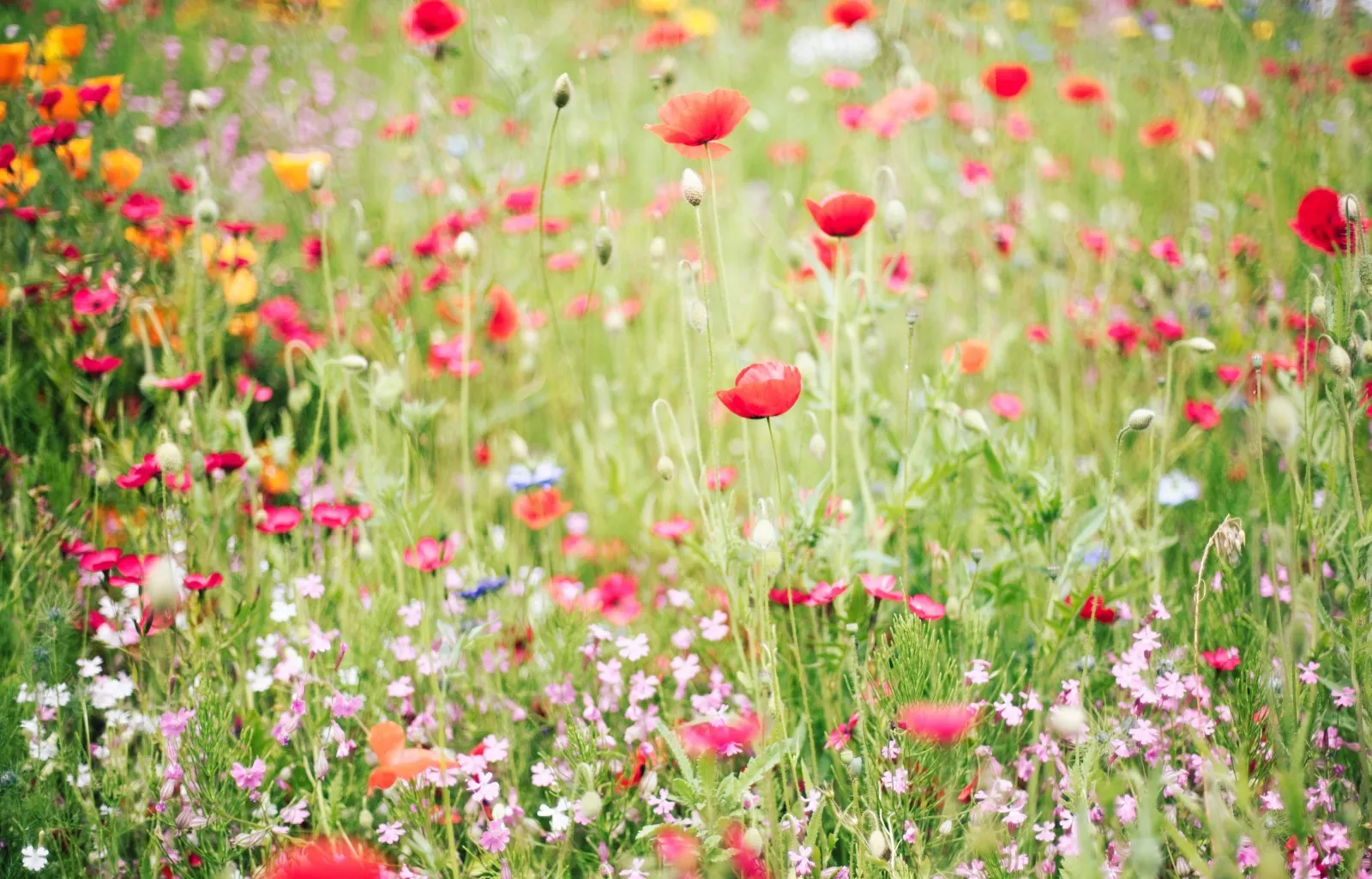
A good sensory garden is designed around who will actually use it. Your gardener Josh asks which senses matter most (a partially-sighted parent, a child who loves picking herbs, an over-stressed worker who needs the sound of water), and the planting plan follows from that. Planting plans from £39 online on our sister site gardendesignapp.ai, bespoke from £500, because no two sensory briefs are the same. Send us a few photos on WhatsApp and we will tell you honestly what yours needs.
Before any planting, your gardener Josh messages you on WhatsApp to understand who will use the garden and how. A sensory garden for a child who loves picking herbs is a different plan from one for someone recovering from illness who needs the sound of water and somewhere shaded to sit. The brief shapes which senses lead.
From there it is a planting plan and design built around the five senses, your light, the heavy London clay and how you actually move through the garden. We are planting-led: planting design, borders, wildlife planting and ongoing maintenance, all chemical-free so the garden is genuinely safe to touch, smell and taste. We do not lay decking, paving or fencing, so where a sensory garden needs new hard landscaping (a wider path, a raised herb bed) we will recommend you bring in a landscaper for that.
Here are the twelve sensory garden design ideas we come back to again and again on real SE London plots.
Each one is something we use on real sensory gardens, applied across all five senses rather than concentrated on smell.
The single biggest difference between a real sensory garden and a herb bed. Plan deliberately for smell, sound, touch, taste and sight as five separate columns of the plan. Pick the plants for each column, then weave them together in the planting. If any column is empty, the garden is sensory in name only.
Scent only works if you can reach it. A lavender at ground level releases scent when you brush past, but the most powerful experience comes from scented flowers at chest or head height. Climbing roses, jasmine and honeysuckle on the path arch, philadelphus and lilac (the RHS specifically names Syringa) in deeper borders, sweet peas on an obelisk, all put the scent at the right level.
The other half of scent. Plants whose leaves release scent only when touched belong right beside paths and seating: rosemary, sage, mint, thyme, lemon balm, lemon verbena, catmint, lavender, scented pelargoniums in pots. Each step you take in the garden releases a different note. The RHS organises an entire planting category around scented foliage specifically because the brushing effect is so distinct from flower scent.
The most under-used sense in most gardens. Ornamental grasses rustle, sway and catch the light. The RHS specifically calls out Briza maxima (greater quaking grass) for its rustling lantern-like flower heads. Miscanthus sinensis, Calamagrostis 'Karl Foerster', stipa and hakonechloa all bring movement and a soft white-noise rustle on a windy day. One drift of grasses transforms how the garden feels.
The sound of water finishes what grasses start. It does not need to be a full pond. A small recirculating bowl, a wall trickle, a half-barrel with a low pump, or a proper wildlife pond with a beach edge (which doubles as habitat) all add the missing dimension. The brain measurably calms in the presence of running water, which is why it features in almost every sensory garden built for wellbeing.
Touch is the easiest sense to plan because the planting is right there to hand. The RHS treats textural variety as a planting category in its own right. Build a tactile spectrum: very soft (lamb's ear, fluffy stipa, Stachys byzantina), soft (heucheras, hakonechloa, ferns), structural (succulents, ornamental cabbages, glossy bergenia), and coarse (bear's breeches, large-leaved fatsia, prickly eryngium with care). The contrast between them is what makes touching the plants interesting.
Taste only gets used if the food is reachable. The RHS sensory edibles category names rosemary and chives specifically. Add mint (in a pot so it does not run), thyme, parsley, lemon balm, strawberries in a hanging planter, blueberries in a pot, and a small fig or espalier apple where there is room. Put them within two steps of the back door so you actually pick them.
Sight is the easy sense to over-plant for, so the discipline is the opposite: a tight, repeated palette that works across the seasons. Pick three or four colours that look good together (soft pinks, mauves and whites; or hot reds with bronze foliage). Make sure something is in flower or strong colour every month, not just June. Repeat the same key plants through the garden so the eye reads rhythm rather than chaos.
Plants you cannot reach do not get touched. The soft and scented plants belong right at the edge of the path and at arm's reach from any bench. The structural and coarse plants can sit further back where they are seen but not handled. This sounds obvious and it is exactly the thing most sensory gardens get wrong.
A sensory garden has to be navigable, especially for partial-sight or mobility users. Aim for wider paths than usual (around 1.2 metres if space allows), gentle curves rather than sharp turns, and clear edges (brick, steel or stone) the foot or cane can detect. Solid materials beat loose gravel for accessibility. The garden then works for everyone.
Every sensory garden needs somewhere to sit and absorb it. One bench placed where the scents, sounds and views overlap (under the climber arch, beside the grasses, near the water feature) transforms the garden from something you walk through to something you spend time in. The destination is what makes the design pay off.
The non-negotiable. Spraying pesticides, weed killers or slug pellets on a garden you actually touch and pick herbs from is the opposite of what a sensory garden is for. We never use chemicals, on any garden, ever. Dense planting, mulch and ground cover handle most weed pressure, and a balanced wildlife garden handles most pests. The result is a garden that is genuinely safe for children, pets and anyone touching the planting.
A small SE London plot is unusually well suited to sensory design because every plant is within touch and smell range of a path or a window. The classic Victorian terrace strip works brilliantly: scented climbers up both fences, herbs and tactile plants flopping over the edge of a brick path, ornamental grasses in mid-border, a small water bowl at the destination end. Courtyards in Peckham, Brockley and Forest Hill, where space is tightest, can do a complete sensory garden in pots: lavender, rosemary, mint, thyme, lamb's ear, miscanthus and a hanging strawberry planter is enough.
The local reality is heavy clay and often partial shade. Many of the most useful sensory plants (lavender, rosemary, sage, thyme) prefer free-draining sun, so we tend to use raised beds, big pots or a sunny strip near the house for those. The shadier corners suit the touch plants (ferns, brunnera, lamb's ear, ornamental sedges) and the bigger shade-tolerant scented shrubs (sarcococca, philadelphus, daphne, viburnum carlesii). Planting is strongest in autumn and spring, when roots establish before summer, so plan the sensory garden now and put the planting in during the right window.
SE London is also a brilliant context for the wildlife crossover. Sensory plants overlap heavily with pollinator plants, so a well-designed sensory garden is almost automatically a wildlife garden too.
People assume turning a garden into a sensory one means clearing it and starting again. It almost never does. Most of the sensory gardens we build started as ordinary gardens, edited over one or two seasons: a few key scent plants added at nose height, a drift of grasses for sound, herbs moved close to the door, a small water bowl on the patio, the chemicals dropped.
This is where our plant rescue approach matters. Before anything is cleared we walk the garden and identify what is worth keeping, because a mature scented shrub or an established climber is often the foundation a sensory garden builds on. Clearing blindly is the expensive mistake.
So the honest expectation is this: a typical SE London garden becomes a working sensory garden in one season once the planting is shifted toward the five senses. The depth and confidence of it builds over the following years as the herbs spread, the grasses thicken and the scented shrubs mature.
You can absolutely do a lot of this yourself, especially the herbs and the scented climbers. The hardest part of a sensory garden is the orchestration: making sure all five senses have something to engage with at every time of year, choosing plants that work on the clay and shade you actually have, and getting the path and seating placement right so people genuinely interact with the planting rather than walk past it.
If you would rather it was designed properly, that is what we do. Garden design and planting plans start at £39 online on our sister site gardendesignapp.ai, with bespoke plans from £500 after a WhatsApp chat, because every sensory brief is different. Same named gardener every visit, no chemicals, and your garden guaranteed to be tidier than we found it.
Your gardener Josh designs a sensory garden around the people who will actually use it, the senses that matter most to them, and the heavy London clay you have. From £39 online on our sister site gardendesignapp.ai, or bespoke from £500, because no two sensory briefs are the same.
A sensory garden is one designed deliberately to engage all five senses, sight, smell, hearing, touch and taste, not just sight. The RHS describes sensory planting as plants chosen so people can engage with the garden in a way that is meaningful and beneficial to mind and body. They are used in school gardens, care settings and family gardens, but the same design principles work for any home garden.
No. They were often associated with school gardens and care homes, but a sensory garden is a brilliant design for any home garden, especially small SE London plots where every plant is close enough to touch and smell. The wellbeing benefits, lower stress, sense of calm, reconnection with nature, are universal.
Scent: lavender, jasmine, rosemary, philadelphus, scented roses, sweet peas, daphne. Sound: ornamental grasses like Briza maxima (which the RHS specifically calls out for its rustling), miscanthus and calamagrostis, plus bamboo and a small water feature. Touch: lamb's ear, ornamental sedges, soft heucheras, fluffy grasses, contrasting glossy leaves. Taste: chives, rosemary, mint, thyme, strawberries, blueberries, edible flowers. Sight: a year-round flowering sequence, colour palette discipline, plus interesting structure and form.
Yes, and they often work better in a small garden than a large one. In a tight plot every plant is close enough to touch, smell and pick. A courtyard with herbs in big pots near the door, scented climbers on the walls, one ornamental grass for movement and a small water bowl is a complete sensory garden.
Not necessarily, but they help. The sound of moving water is one of the most powerful sensory elements in any garden, and it does not need to be big. A small bowl with a low pump, a simple wall trickle, or even a pond with a beach edge (which doubles as wildlife habitat) all add the sound dimension that grasses and bamboo cannot quite reach.
Most of the classic sensory plants (lavender, rosemary, mint, thyme, lamb's ear, edible flowers, soft grasses) are safe to touch and taste. A few common garden plants are not (foxgloves and yew berries are toxic, for example), and we avoid those in the immediately reachable areas of a sensory design for children. We never use chemicals on any garden, so the planted areas themselves are safe to handle.
Sensory garden design and planting plans start at £39 online on our sister site gardendesignapp.ai, with bespoke plans from £500 priced to your garden, because every sensory project is shaped by the existing structure, who will use it and which senses matter most. Message us on WhatsApp with a few photos and we will tell you honestly what it would cost. No travel charges anywhere in South East London.
Sensory planting overlaps closely with pollinator and wildlife design, see our guides on how to create a pollinator garden and wildlife garden design ideas for the wildlife-friendly side of the same approach. When you are ready to have it designed and planted, see our planting plans and garden design service.
Send a few photos on WhatsApp and we will tell you honestly what your sensory garden needs, planned around the people who will use it. Bespoke planting plans, no fixed package, no chemicals.